Guides
All-inclusive vs DIY wedding venue
Choosing between an all-inclusive venue and a DIY space usually comes down to what you want to control, what you want to hand off, and how much time you have. Both can be beautiful; the “right” one depends on your budget, guest list, and comfort with planning.

What each option means
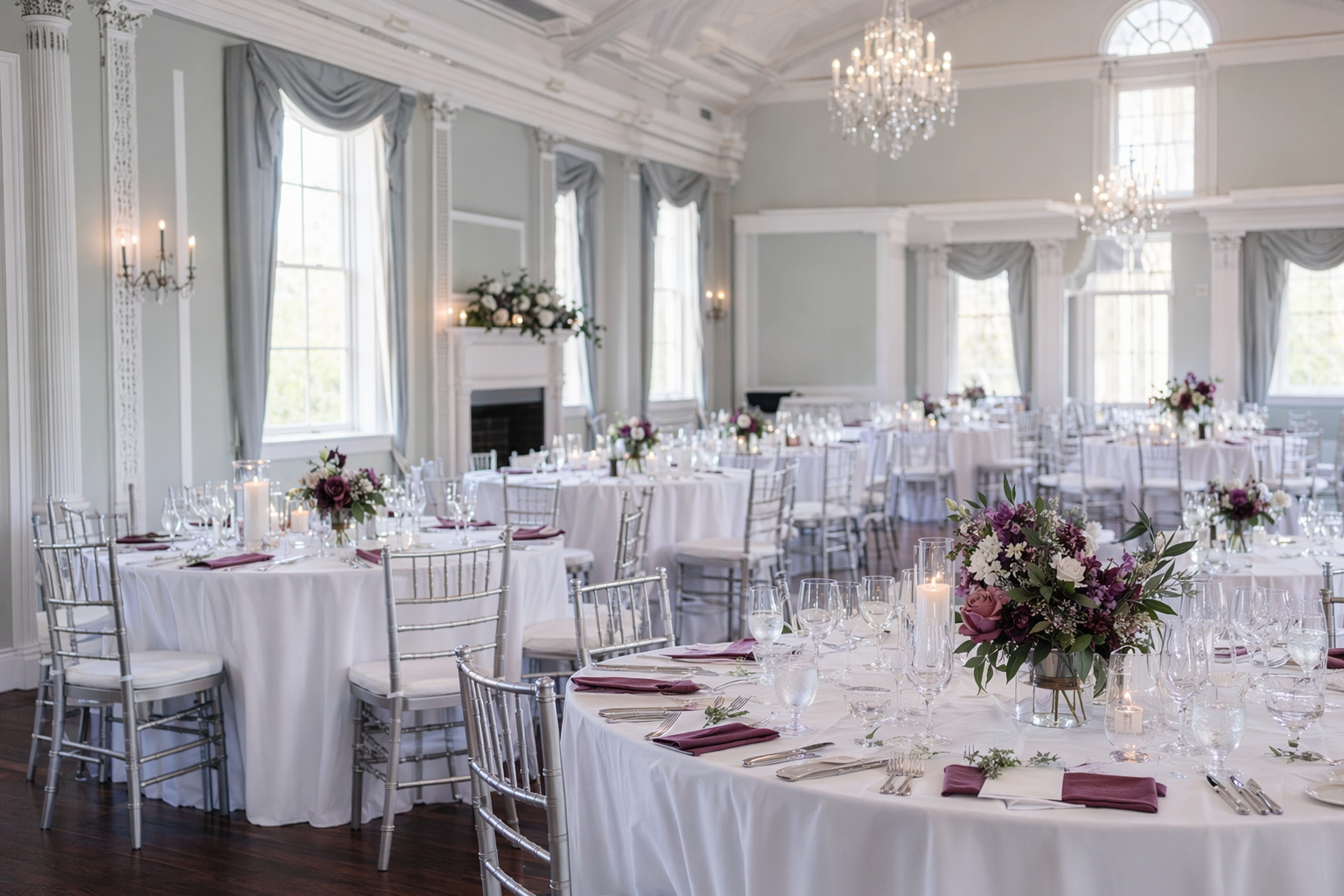
An all-inclusive wedding venue usually bundles several big pieces of the day into one place. That may include the event space, tables and chairs, catering, staffing, basic setup, and sometimes coordination help, linens, or bar service.
A DIY venue is more of a blank canvas. You may rent the space itself, then bring in your own caterer, rentals, decor, lighting, and sometimes even restrooms, parking support, or cleanup. You get more freedom, but also more decisions.
Vowfield is a free matching service, not a venue or planner. We help you compare options near your city or ZIP code, and you stay in control of where you tour and what you book.
All-inclusive: when it makes sense
An all-inclusive venue can be a good fit if the two of you want a simpler planning process and fewer moving parts. It may also help if you are planning from another city, have a shorter timeline, or just do not want to coordinate many separate vendors.
This route often feels easier for couples who want a clear path: one place to tour, one team to ask questions, and fewer things to arrange on your own. That can lower stress, especially for couples balancing work, family, travel, or language barriers.
Costs vary a lot by date, season, day of the week, city, guest count, and what is included. A simple all-inclusive package might start around $80 to $150 per guest, while higher-end full-service venues can be much more. In some markets, you may also see site fees, food-and-beverage minimums, service charges, or upgrades for bar service, late-night hours, or premium rentals. Those ranges are not quotes.
DIY: when it makes sense
A DIY venue can make sense if the two of you want more creative control, more flexibility with vendors, or a very specific look that packaged venues do not offer. Many couples choose DIY spaces for gardens, barns, historic buildings, community halls, beaches, backyards, or industrial lofts.
DIY can sometimes keep the base rental price lower, but the full cost can grow once you add everything you need: catering, tables, chairs, tents, heaters or fans, linens, dishes, staffing, permits, cleanup, and sometimes insurance or valet/parking support. A space that looks inexpensive at first may not stay inexpensive once the essentials are added.
As a rough planning range, a DIY venue rental might start around $1,000 to $10,000+ for the space alone, but the all-in total can rise well beyond that depending on guest count, rentals, vendors, and the season. Again, these are only ranges, not quotes.
Cost, stress, and control: side by side
All-inclusive usually gives you more predictability and less coordination. The tradeoff is less freedom to customize every detail and sometimes fewer choices about outside vendors.
DIY usually gives you more control over food, layout, decor, and the feel of the day. The tradeoff is more planning, more contracts, and more chances for extra costs to show up if something is missing from the rental.
A few fine-print items to ask about either way:
- site fee or room rental
- food-and-beverage minimum
- per-plate pricing or package pricing
- service charge and taxes
- deposit amount and payment schedule
- overtime fees
- cancellation terms
- vendor restrictions
- corkage or outside alcohol rules
- cleanup, trash removal, and setup/teardown rules
Ask for the price and your date in writing, and read the full contract before you pay a deposit or sign anything.
How to choose between them
If you want less coordination, a clearer budget picture, and fewer separate vendor decisions, start by looking at all-inclusive venues. If you want more flexibility, a custom feel, and you are comfortable managing details, a DIY space may be a better fit.
A simple way to decide is to compare the all-in total, not just the headline price. Ask: what is included, what must I rent separately, what do I have to bring in, and what will this look like for my guest count?
If you are not sure, use both paths in your search. Tour a few all-inclusive venues and a few DIY spaces, then compare what each would really cost for your day. You can also use cost guides and venue listings to narrow the field before you tour.
How Vowfield helps you compare
With Vowfield, the two of you share your contact details and wedding intent only: names, phone, optional email, your preferred language, setting, city or ZIP code, rough date, and rough guest count. We do not ask for financial account numbers, SSNs, immigration documents, income, or sensitive records.
Then we match you with wedding venues near you at no cost to you. You tour, compare, and decide what fits your budget and your style. If you want a step-by-step place to start, try our guides or send your details through get matched.
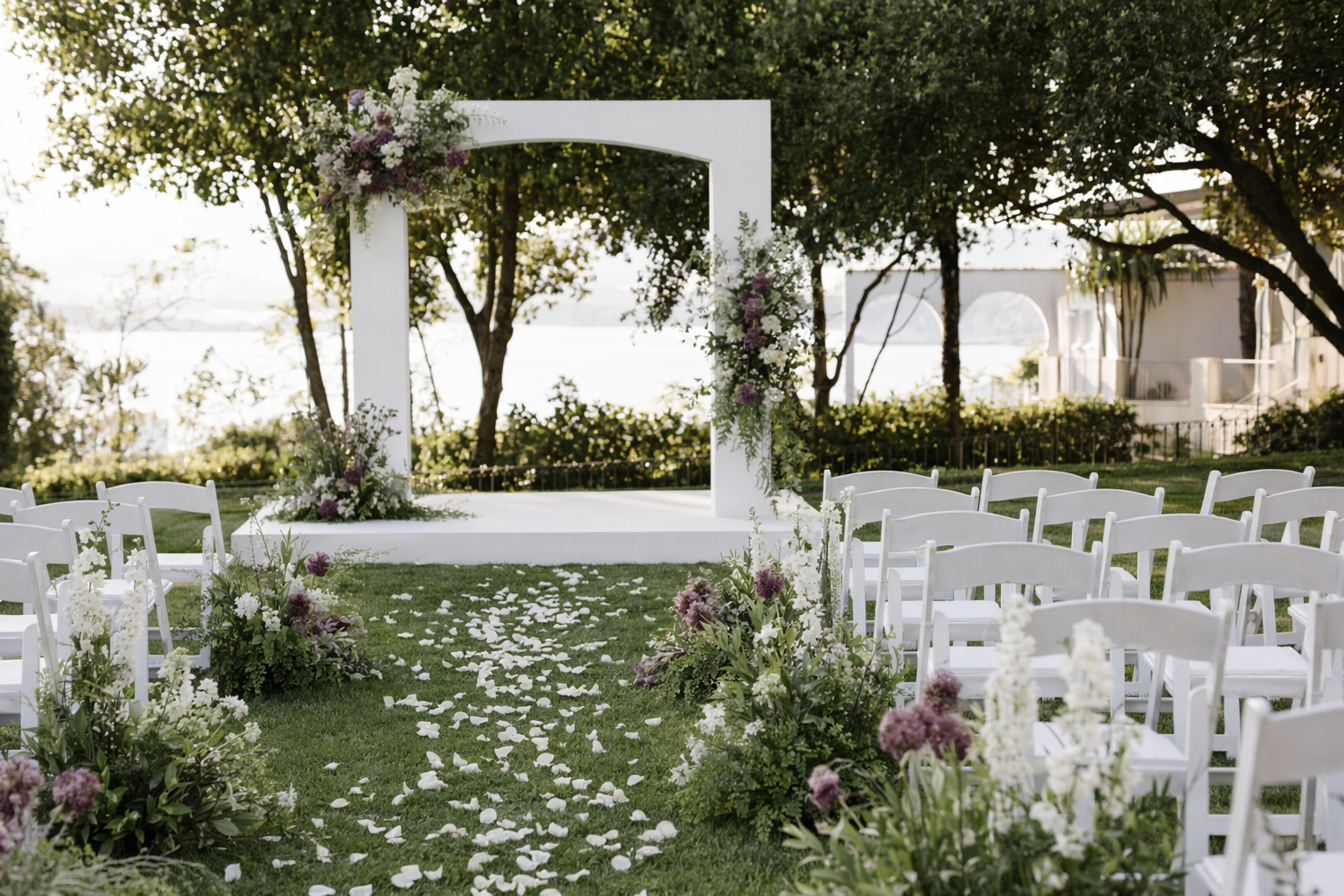
All-inclusive is usually easier to plan, while DIY gives you more control but can add more work and hidden costs.
Common questions
Is an all-inclusive wedding venue always more expensive than a DIY venue?
Not always. A DIY space may look cheaper at first, but rentals, catering, staffing, and cleanup can add up quickly. The real comparison is the all-in total for your date, city, and guest count.
Does a DIY venue mean I can bring in any vendor I want?
Often more than an all-inclusive venue, but not always. Some DIY spaces still have vendor lists, insurance rules, alcohol rules, or setup limits, so check the contract before you assume freedom.
Can Vowfield tell us which option is better?
No one can choose that for you with certainty. Vowfield helps you compare venues and understand the tradeoffs, but the best fit depends on your budget, timeline, guest list, and how much planning you want to do.