Venues
Historic and estate wedding venues
Historic and estate venues can feel timeless, romantic, and full of character. Here’s what they usually cost, what rules to expect, and how to get matched free with places like these near you.
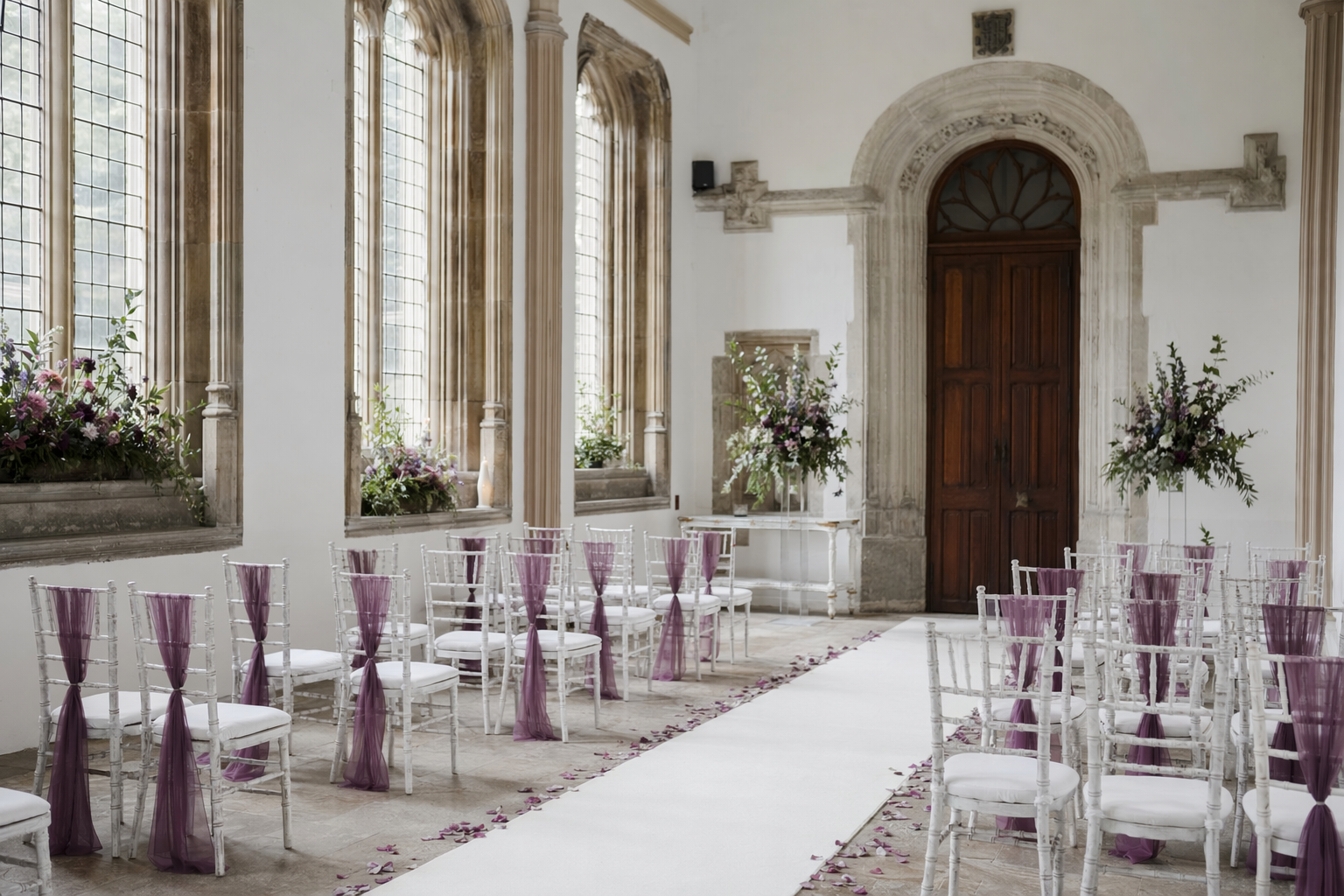
Why couples choose historic and estate venues
If the two of you picture a grand staircase, old stone walls, formal gardens, a library with portraits, or a tent on the lawn of a manor house, a historic or estate venue may be exactly your style. These spaces often bring built-in beauty and a strong sense of place, which can make your day feel special before you add much decor.
Historic venues can include mansions, museums, estates, landmark homes, inns, and preserved properties. Some feel formal and elegant. Others feel warm, private, and lived-in. They can work for many kinds of weddings, from a black-tie evening to a cultural celebration with multiple events, depending on the property’s rules and layout.
They are especially appealing if you want wedding photos with character, indoor-outdoor options, and architecture that already tells a story. But because these places are often older and protected, they can also come with stricter rules, earlier end times, limited vendor flexibility, or extra logistics the two of you will want to understand clearly before you book.

Who this setting fits best
Historic and estate venues often fit couples who care about atmosphere, guest experience, and a memorable backdrop. They can be a good match if your guest list includes family traveling in, if you want your ceremony and reception in one place, or if you want a venue that feels meaningful without needing a lot of added styling.
They may be especially worth a look if you want:
- elegant rooms, gardens, courtyards, or terraces
- a venue with a sense of history or cultural significance
- beautiful portraits without building everything from scratch
- a wedding that feels classic, romantic, or elevated
- a mix of indoor and outdoor spaces
They may be less ideal if you need a very late-night party, a fully open vendor policy, extensive open-flame cooking, very loud amplified music, or a highly customized setup with heavy installations. Older properties often need more care, and that can affect what is allowed.
What to picture on the wedding day
Picture guests arriving under old trees, through iron gates, or into a historic foyer. Maybe the ceremony is on a lawn, in a courtyard, or in a stately room with tall windows. Cocktail hour might happen in a garden, gallery, or terrace, with dinner under chandeliers, in a tent, or in a reception hall with original details you could never recreate somewhere else.
Many estate weddings flow well because the property naturally offers different moments: welcome drinks outside, dinner in a formal room, dancing in another space, then a quiet corner for older relatives to sit and talk. That variety can help your day feel full without your guests needing transportation between events.
At the same time, these venues are not always simple. A beautiful old home may have stairs, narrow hallways, uneven paths, or separate event areas spread across the grounds. During your tour, it helps to imagine your oldest guest, your youngest guest, your wedding party, and your vendors moving through the day from start to finish.
What historic and estate wedding venues usually cost
Costs vary a lot by city, season, day of the week, guest count, and what is included. A historic mansion in a major metro area will usually price very differently from a country estate in a smaller market. These ranges are general information only, not quotes.
For many couples in the United States, an all-in total for a historic or estate wedding often lands around $18,000 to $60,000+, with luxury properties in high-cost areas going well beyond that. Smaller weddings or off-peak dates may come in lower, while prime Saturdays in spring and fall, larger guest counts, and venues with premium catering can push totals much higher.
A rough breakdown many couples see looks something like this:
- site fee: about $4,000 to $18,000+
- catering and drinks: about $80 to $300+ per guest
- rentals, if needed: about $2,000 to $10,000+
- ceremony fee, tenting, valet, security, or museum/staffing add-ons: sometimes extra
What raises the price most often:
- a Saturday wedding
- peak spring or fall dates
- major city or destination area pricing
- higher guest count
- full open bar or premium bar package
- specialty rentals for older spaces or outdoor areas
- tenting, heating, cooling, generators, or rain backup plans
- required vendors or in-house catering
What can help lower the total:
- Friday, Sunday, or weekday dates
- winter or off-peak months, where available
- a smaller guest list
- using spaces that need fewer rentals
- brunch, lunch, or shorter receptions
- choosing a venue with tables, chairs, or coordination included
Historic venues can also have fine print that changes the real total more than couples expect. Ask about the site fee, any food-and-beverage minimum, per-plate pricing, service charge, deposit schedule, overtime, cancellation terms, vendor restrictions, corkage, ceremony fees, setup and breakdown time, and whether the venue requires special staffing or insurance. Always confirm the price and your date in writing, and read the full contract before paying a deposit or signing. For broader budget help, you can also look at wedding cost guides.
Questions and fine print to ask before you book
Because these properties are older and often protected, the best tour questions are not just about beauty. They are about how the place actually works for your day, your guest list, and your budget.
Here are smart questions to ask:
1. What is the true maximum guest count for a seated dinner, dancing, and bad-weather backup?
2. Which spaces are included, and for how many hours?
3. Is there a site fee, a food-and-beverage minimum, or both?
4. Is catering in-house, exclusive, or open to outside caterers?
5. Are tables, chairs, linens, getting-ready rooms, or coordination included?
6. Are there preservation rules about candles, hanging decor, confetti, smoke, sparklers, or moving furniture?
7. What are the music rules and end time? Are there noise limits outdoors?
8. Is the property accessible for older guests, wheelchair users, and strollers?
9. Is there enough parking, and is valet required?
10. What happens if it rains, gets too hot, or gets too cold?
11. Are there required vendors, security, attendants, or cleanup fees?
12. What are the deposit, cancellation, and overtime terms?
Some historic venues have strict rules for protecting floors, walls, gardens, artwork, and antiques. That may mean no red wine in certain rooms, no open flame beyond enclosed candles, no drilling or hanging from walls, no high-impact dancing in certain areas, or limits on kitchen access and load-in times. None of that means the venue is a bad choice. It just means the two of you should understand the operational side as clearly as the romantic side.
This is general information only, not legal or financial advice. The venue’s own contract is what controls, and for legal or financial questions it is best to ask the venue directly and speak with a licensed professional if needed.
How Vowfield helps you find venues like this for free
Vowfield is a free matching service for couples. We are not a wedding venue, caterer, or wedding planner, and we do not set venue prices or host weddings. We help the two of you get matched with wedding venues near you that fit the setting you want, including historic mansions, museums, and estate properties.
You share only basic contact and wedding-planning details: your names, phone, optional email, preferred language, city or ZIP, rough date, rough guest count, and the kind of setting you want. Then you can hear from matching venues, tour, compare options, and decide what feels right for your day.
The service is free for the couple. You stay in control the whole time:
1. Tell us what you’re looking for at Get matched.
2. Hear from venues that fit your area, guest count, and setting.
3. Tour your favorites and compare the all-in cost, not just the starting number.
4. Confirm availability, inclusions, and policies in writing with the venue.
5. Book only when the contract and total feel clear to both of you.
If you are still exploring different styles, you can browse wedding venues or learn more about related wedding services. This can be especially helpful if you are planning from another city, balancing family expectations, or feel more comfortable communicating in a language other than English.
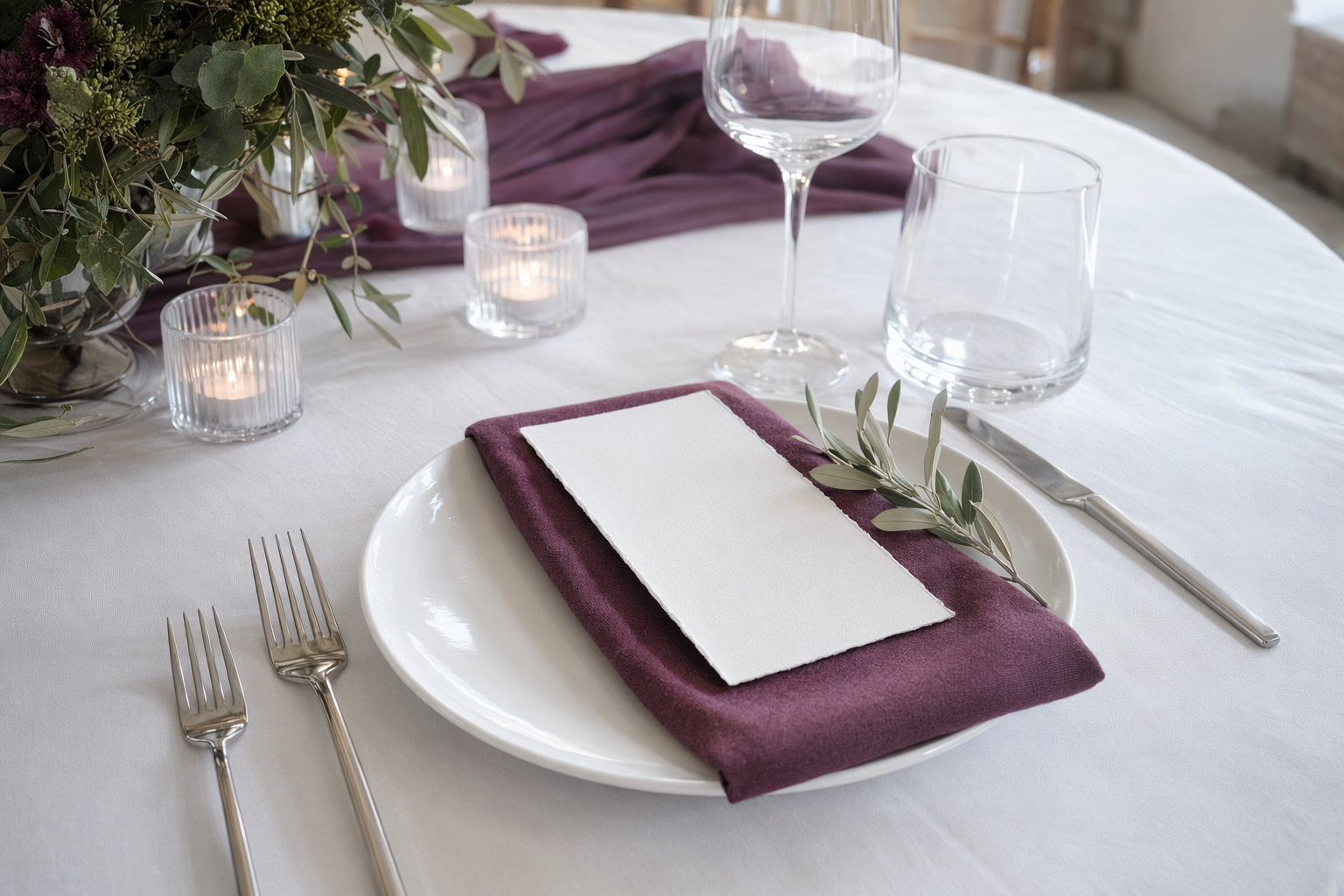
Historic and estate venues can be beautiful and memorable, but the real cost and rules vary a lot, so compare carefully and get everything in writing before you book.
Common questions
Are historic and estate wedding venues more expensive than other venues?
Often, but not always. The real total depends on the date, season, city, guest count, and what is included, and older properties sometimes need extra rentals or staffing that raise the all-in cost.
Do historic venues usually let us choose our own caterer?
Some do, but many have in-house catering or a required vendor list. Always ask whether catering, bar service, rentals, and cleanup are open, exclusive, or required through certain companies.
What rules are common at estate or landmark properties?
Common rules include noise limits, earlier end times, decor restrictions, limits on candles or hanging items, protected garden areas, and specific load-in or cleanup windows. Ask for all policies in writing before you sign.
Can Vowfield tell us exactly what a historic venue will cost?
No. Vowfield is a free matching service, not the venue, so we do not quote prices or guarantee availability. The venue itself must confirm pricing, inclusions, and your date in writing.
What information do we need to share to get matched?
Just basic contact and wedding intent details: names, phone, optional email, preferred language, city or ZIP, rough date, rough guest count, and the setting you want. We do not need financial account numbers, Social Security numbers, immigration documents, or sensitive personal records.
Are estate venues good for smaller weddings too?
Yes. Some estates work beautifully for intimate weddings, especially if you want a private dinner, garden ceremony, or weekend-house feel. Just confirm the minimum spend and whether the space still makes sense for your guest count.